

学历文凭
Ph.D.

专业院系
语言学

开学时间

课程时长

课程学费

国际学生入学条件
Applicants complete a bachelor’s degree from a U.S. college or university accredited by a regional accrediting association; or complete an international degree that is equivalent to a U.S. bachelor’s degree from a college or university recognized and approved by the Ministry of Education or Commission responsible for higher education in the country where the degree is earned.
Rackham English Proficiency Requirements:
IBT TOEFL - 84;
Paper/Pencil TOEFL and TWE - 560;
Revised Paper Delivered Test - An overall score is not provided for this test

IDP—雅思考试联合主办方

雅思考试总分
7.5
了解更多
- 雅思总分:7.5
- 托福网考总分:100
- 托福笔试总分:600
- 其他语言考试:MELAB - A minimum score of 84
课程简介
相关申请

预科
奖学金
实习机会
在校学习

跨境学习
校园授课-线上开始
在线/远程学习
学校排名
世界排名
20
数据源:泰晤士高等教育世界大学排名

关于密歇根大学安娜堡分校

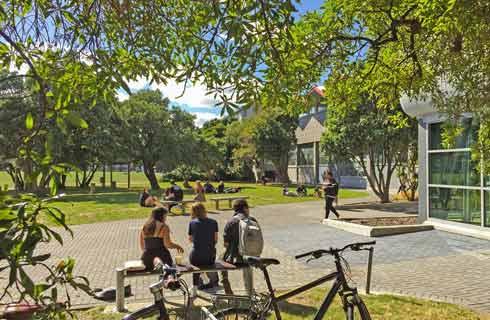
2009年,密歇根大学的学术研究经费就达到了惊人的10亿美元,其中约一半的经费用在了医学院与工程学院。密歇根大学的图书馆系统包括19个独立的分馆,且拥有全美最齐全的数学及牙医学的资料收藏。密歇根大学还开设了一些在别的地方找不到的外语专业,包括阿拉伯语、亚美尼亚语、波斯语、土耳其语和伊斯兰教研究。密歇根大学提供至少60种专业,其中最知名的包括生物、工程以及政治学。在美国教育界获奖无数的本科研究项目UROP,将1000名学生和600位知名教授和科学家进行匹配,给予他们从大一开始就参与到实际的研究项目中。如果你不幸没能成为这1/1000,你仍然有机会参加60多种First Year Seminar中的一个,在这里,你可以和另外19名学生在一个相当舒服的环境中与教授探讨学术问题。密歇根大学安娜堡分校可以让你在学霸与玩霸之间轻松转换。1350多个校内学生组织提供各式各样的课余活动。UM是美国一个传统的美式足球牛校,即使你平时是个招牌宅男,当你坐进可容纳11万人的体育场时,呐喊和嘶吼会不由自主地迸发。说到呐喊和嘶吼,你知道麦当娜是密歇根大学安娜堡分校的校友吗?
本校相关课程


其他相关课程

旧金山州立大学
肯塔基大学

圣何塞州立大学
乔治梅森大学

佛罗里达国际大学
密歇根大学安娜堡分校