

工学士(荣誉)学位-诺丁汉大学国际学院
BEng (Hons) Chemical Engineering - University of Nottingham International College


学历文凭
Bachelor Degree with Honours

专业院系
工艺与资源工程

开学时间

课程时长

课程学费

国际学生入学条件
A level offer A*AA-AAA. IB score 36 (higher level subjects to include maths plus either chemistry or physics) IELTS 6.0 with no less than 5.5 in each element, TOEFL (iBT) 79 (minimum 17 in Writing and Listening, 18 in Reading and 20 in Speaking).
展开
IDP—雅思考试联合主办方

雅思考试总分
6.0
了解更多
- 雅思总分:6
- 托福网考总分:79
- 托福笔试总分:160
- 其他语言考试:PTE Academic 55 (minimum 51)
CRICOS代码:H810
申请截止日期:请 与IDP联系 以获取详细信息。
课程简介
我们的学生通过实际的实验室经验,团队合作和解决问题的能力发展核心的科学和工程知识。他们的技术培训和可转让的技能使我们的毕业生在各种职业中都受到全球公司的强烈追捧。认可的学位将为您提供部分或全部基础知识,理解和技能,以便最终注册为法人(IEng)或特许工程师(CEng)。一些雇主优先从获得认可的学位开始招聘,获得认可的学位很可能会被签署国际协定的其他国家所认可。一年级的学生需要具有科学和数学背景,并介绍基础工程科学,包括传热和传质以及流体力学。安全和环境方面也包括专业技能的开发。从基于问题的学习到教程和实验
Our students develop core scientific and engineering knowledge through practical laboratory experience, teamworking and problem solving. Their technical training and transferable skills make our graduates highly sought after by global companies, in a diverse range of careers. An accredited degree will provide you with some or all of the underpinning knowledge, understanding and skills for eventual registration as an Incorporated (IEng) or Chartered Engineer (CEng). Some employers recruit preferentially from accredited degrees, and an accredited degree is likely to be recognised by other countries that are signatories to international accords. Year one takes students with backgrounds in science and maths and introduces the fundamental engineering sciences including heat and mass transfer and fluid mechanics. Safety and environmental aspects are also covered, as are the development of professional skills. The material is taught using a wide variety of methods, from problem-based learning to tutorials and laboratory classes.<br><br>The focus of year two is to develop the fundamental engineering sciences into the key processes and operations that are common within chemical engineering, such as process control, separations, process engineering and plant design. Laboratory work is a major component and the exposure to industry and cutting-edge research also increases. Safety and environmental aspects are an important aspect of this year, allowing students to become more independent in their approach to learning. In year three we develop the practical application of the knowledge and skills that have been gained in years one and two. Laboratory exercises are more open-ended, using large-scale and industrial equipment. Project management, business and finance are covered and there is a significant amount of input from industry.
Our students develop core scientific and engineering knowledge through practical laboratory experience, teamworking and problem solving. Their technical training and transferable skills make our graduates highly sought after by global companies, in a diverse range of careers. An accredited degree will provide you with some or all of the underpinning knowledge, understanding and skills for eventual registration as an Incorporated (IEng) or Chartered Engineer (CEng). Some employers recruit preferentially from accredited degrees, and an accredited degree is likely to be recognised by other countries that are signatories to international accords. Year one takes students with backgrounds in science and maths and introduces the fundamental engineering sciences including heat and mass transfer and fluid mechanics. Safety and environmental aspects are also covered, as are the development of professional skills. The material is taught using a wide variety of methods, from problem-based learning to tutorials and laboratory classes.<br><br>The focus of year two is to develop the fundamental engineering sciences into the key processes and operations that are common within chemical engineering, such as process control, separations, process engineering and plant design. Laboratory work is a major component and the exposure to industry and cutting-edge research also increases. Safety and environmental aspects are an important aspect of this year, allowing students to become more independent in their approach to learning. In year three we develop the practical application of the knowledge and skills that have been gained in years one and two. Laboratory exercises are more open-ended, using large-scale and industrial equipment. Project management, business and finance are covered and there is a significant amount of input from industry.
展开
相关申请

预科
奖学金
实习机会

在校学习
跨境学习
校园授课-线上开始
在线/远程学习

本校相关课程
强化英语-利物浦

学历文凭
English Language
下一个开始日期
课程费用总额
硕士预科课程-布莱顿大学国际学院

学历文凭
Foundation for Postgraduate
下一个开始日期
课程费用总额
硕士预科课程
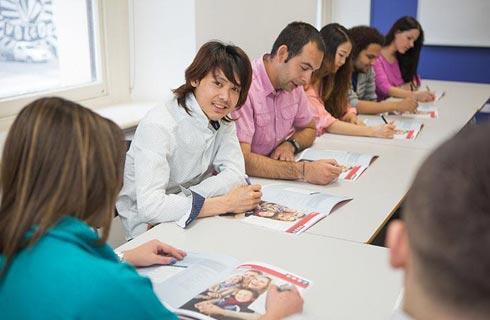
学历文凭
Foundation for Postgraduate
下一个开始日期
课程费用总额
计算机基础证书-布莱顿大学国际学院
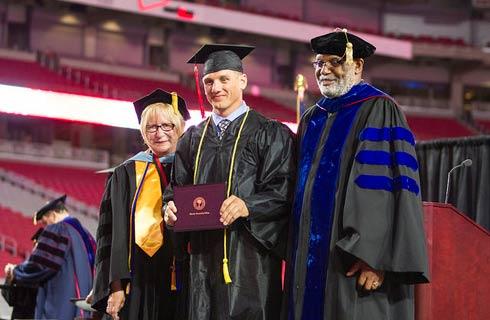
学历文凭
Foundation for Undergraduate
下一个开始日期
课程费用总额
商业基础证书

学历文凭
Foundation for Undergraduate
下一个开始日期
课程费用总额
商业基础证书
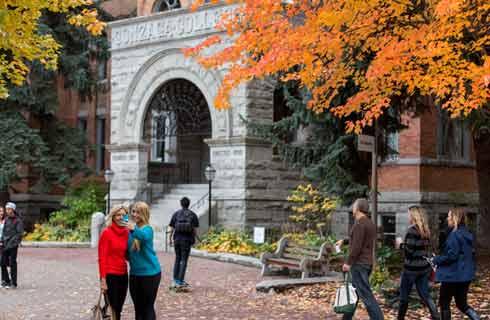
学历文凭
Foundation for Undergraduate
下一个开始日期
课程费用总额
其他相关课程
工程学硕士(采矿)

阿德莱德大学
泰晤士高等教育世界大学排名:
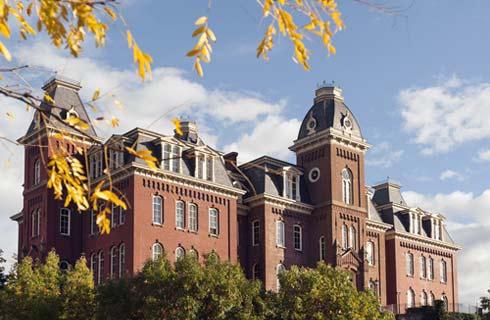
学历文凭
Masters Degree (Coursework)
下一个开始日期
课程费用总额
专业工程学硕士(化学和生物分子)
悉尼大学
泰晤士高等教育世界大学排名:54

学历文凭
Masters Degree (Coursework)
下一个开始日期
课程费用总额
工学学士(荣誉学位)(化学)
阿德莱德大学
泰晤士高等教育世界大学排名:
学历文凭
Bachelor Degree with Honours
下一个开始日期
课程费用总额
石油工程研究生文凭
科廷大学
泰晤士高等教育世界大学排名:256
学历文凭
Graduate Diploma
下一个开始日期
课程费用总额
工学学士学位(石油工程)(荣誉学位)
科廷大学
泰晤士高等教育世界大学排名:256

学历文凭
Bachelor Degree with Honours
下一个开始日期
课程费用总额
加工厂技术文凭
西澳大利亚州职业技术学院
泰晤士高等教育世界大学排名:
学历文凭
Diploma
下一个开始日期
课程费用总额